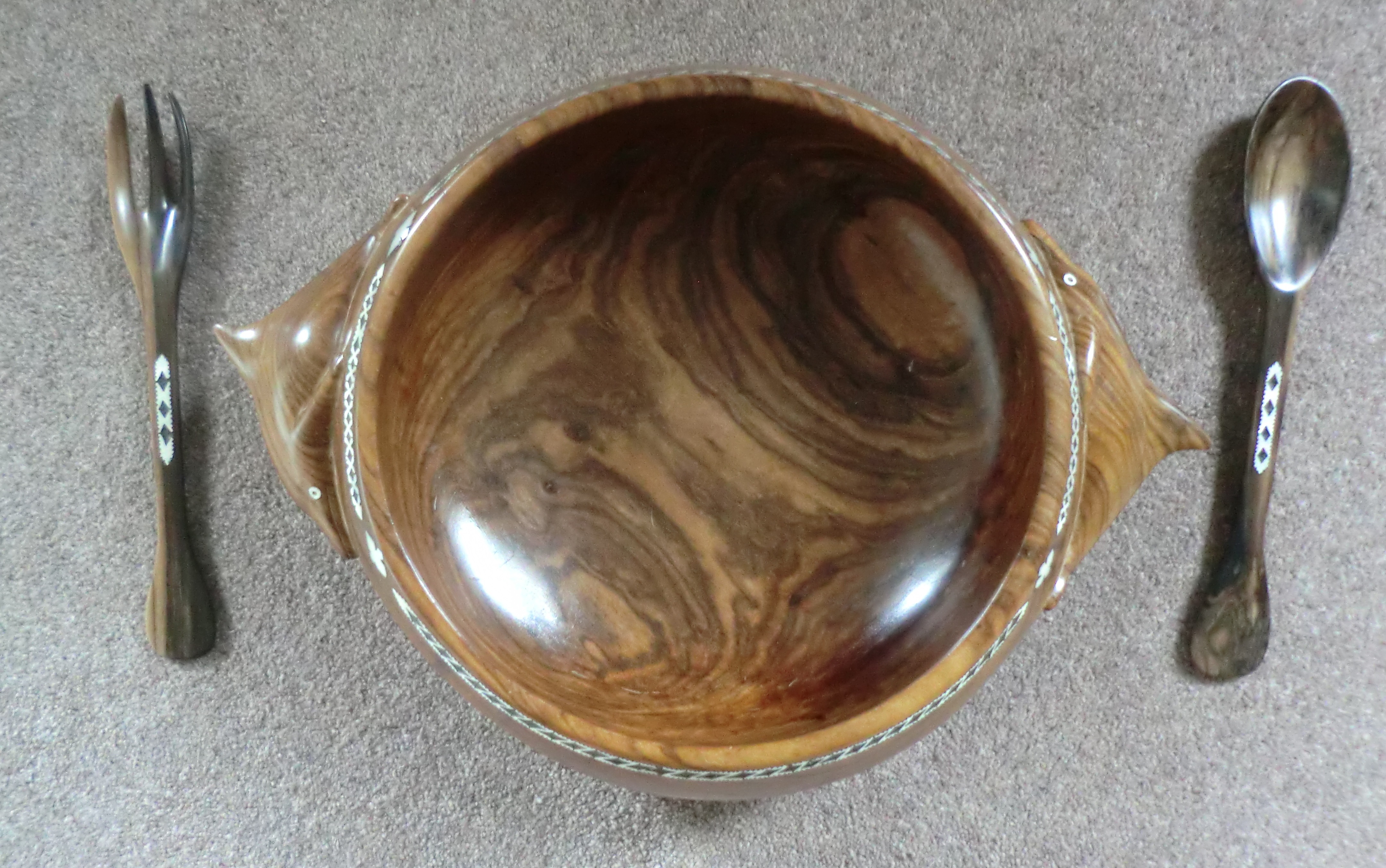
Wood is the one tableware material that stays alive to its environment. It absorbs and releases moisture with the surrounding air, which is exactly why it cracks in dry conditions and warps when soaked. A short, consistent routine keeps boards, bowls, and utensils stable for years.
Washing without waterlogging
The single most damaging habit is leaving wood submerged or running it through a dishwasher. Prolonged water and high heat swell the fibres, then dry them unevenly, which leads to splitting and a rough, raised grain.
- Wash by hand with warm water and a small amount of mild dish soap.
- Wipe rather than soak; clean both sides of a board so it dries evenly.
- Rinse quickly and towel-dry the surface.
- Stand the piece upright so air reaches all faces while it finishes drying.
Why both sides
Cleaning and drying only one face of a board lets the two sides take on different moisture levels. The uneven movement is a common reason flat boards begin to cup or bow.
Finishes and food-contact oils
Wooden tableware is usually finished with an oil rather than a film-forming varnish, so the surface can be refreshed at home. Common food-contact choices include food-grade mineral oil and hardening oils marketed for cutting boards. Some plant oils can turn rancid over time, so a finish sold specifically for kitchenware is the safer default.
| Sign | What it means | Action |
|---|---|---|
| Surface looks pale and dry | Oil has worn away | Reapply a food-safe oil |
| Water no longer beads | Finish is depleted | Clean, dry, then re-oil |
| Raised, rough grain | Fibres swelled and dried | Light sanding, then oil |
| Fine surface cracks | Lost too much moisture | Oil regularly; avoid heat |
A simple oiling routine
- Make sure the piece is clean and fully dry.
- Apply a thin, even coat of a food-safe oil with a soft cloth.
- Let it absorb, then wipe away any excess so the surface is not tacky.
- Repeat when the wood looks dry or stops repelling water.
The Canadian winter problem
Forced-air heating keeps indoor air dry for months across much of the country. Wooden tableware steadily loses moisture in that environment, which is why pieces that were fine all summer may develop cracks in January. The practical response is to oil more often during heating season and to keep wood away from radiators, ovens, and sunny windowsills that dry it further.
Storage
Store wood where air can circulate rather than sealed in a damp cupboard, which invites mould, or beside a heat source, which invites cracking. Keep boards on edge rather than stacked flat under weight. Avoid unheated garages and cottages over winter, where deep cold and dryness stress the grain.