
Ceramic & Porcelain
Glaze, crazing, and the dishwasher question
Why some glazes craze, how to handle gilded or hand-painted rims, and when handwashing is genuinely worth it.
Open guideDinnerware & Tableware Care · Canada
Reference notes for Canadian kitchens: how to choose ceramic, glass, and wooden tableware, wash it without dulling the finish, and store it through cold, dry winters and hard-water regions.

Three material guides
Each material reacts differently to dishwashers, mineral-rich water, and dry indoor heating. These guides separate what matters for everyday plates from what only applies to heirloom or hand-finished pieces.
Why some glazes craze, how to handle gilded or hand-painted rims, and when handwashing is genuinely worth it.
Open guide
Cloudiness from mineral deposits versus permanent etching, plus rinse-aid and storage habits that protect thin rims.
Open guide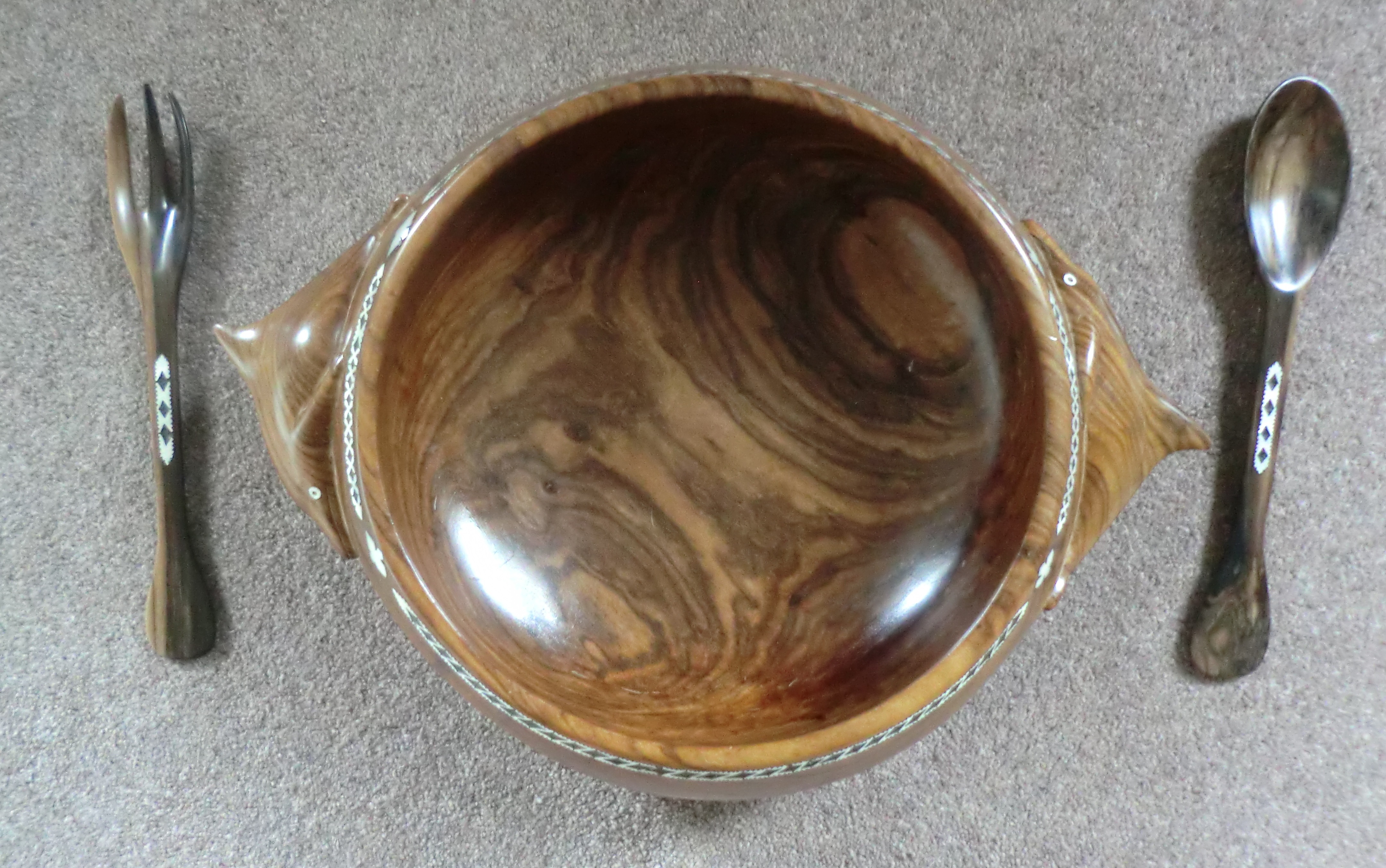
How to wash boards and bowls without soaking them, which oils suit food contact, and why dry Canadian winters cause cracking.
Open guide
Everyday routine
When ceramic, glass, and wood share one sink, the sequence and water temperature matter more than the detergent. A consistent routine keeps glass clear, glaze intact, and wood from warping.
Canadian context
Many regions, including parts of the Prairies, have mineral-rich tap water that leaves film on glass and inside kettles. A rinse aid and periodic vinegar soak address the deposits before they look permanent.
Forced-air heating lowers indoor humidity for months at a time. Wooden boards and bowls lose moisture, so periodic oiling matters more here than in milder, humid climates.
Unheated garages, cottages, and porches swing below freezing. Ceramic and glass with trapped moisture or existing hairline cracks can fail when stored in those spaces over winter.
How to read these notes
Guidance here favours neutral, observable practices. Where exact figures vary by product, manufacturer instructions on the piece itself take precedence over any general rule.
Contact
If you are unsure whether a glaze is dishwasher-safe or how to revive a dry wooden bowl, describe the item and we may cover it in a future note. This form runs entirely in your browser and does not transmit data.
General correspondence: hello@warmtable.pro